Nymphaea caerulea
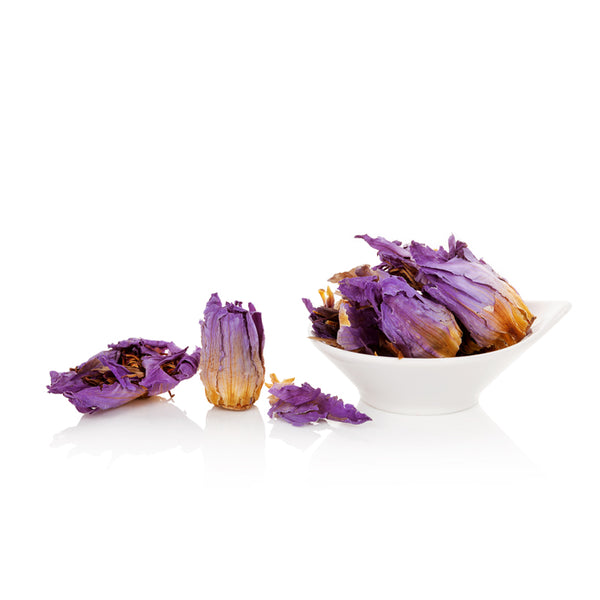
Blue Lotus Flower
Plant Family: Nymphaeaceae
Blue Lotus Essence: Tranquil Beauty The Blue Lotus Flower, an emblem of serenity and enlightenment, offers more than just its stunning appearance. Revered across cultures for its soothing properties and...
About
Blue Lotus Essence: Tranquil Beauty
The Blue Lotus Flower, an emblem of serenity and enlightenment, offers more than just its stunning appearance. Revered across cultures for its soothing properties and spiritual significance, this essence is distilled from the finest Blue Lotus blooms. It’s an invitation to tranquility, designed for those who seek peace in nature’s embrace.
- Authentic Source: Harvested from pristine waters.
- Spiritual Harmony: Enhances meditation and relaxation.
- Ancient Tradition: A legacy of cultural reverence.
Blue Lotus: Serenity Unfolded
The Blue Lotus Flower, or Nymphaea caerulea, traces its roots back to ancient Egypt, where it was celebrated for its beauty and spiritual significance. This aquatic plant flourishes in water gardens and ponds, with its vibrant blue flowers and broad floating leaves capturing the eye and the imagination.
Cultivated with respect for its historical importance, the Blue Lotus continues to enchant. Historically, the Blue Lotus was used in herbal medicine and ceremonies, valued for its ability to promote relaxation and enhance meditation. Though not typically consumed in modern culinary practices, its essence is sought after for wellness teas and aromatherapy, providing a subtle, soothing experience.
In spiritual circles, the Blue Lotus symbolizes the purity of the mind and soul, bridging the gap between the physical and spiritual worlds. Its use in rituals and meditation is said to connect individuals with the divine, promoting a sense of peace and enlightenment. This mystical aspect makes the Blue Lotus a cherished addition to spiritual practices.
Know Your Ingredient: Blue Lotus Flower
| Latin Name | Nymphaea caerulea |
| Active Ingredients | Nuciferine, Aporphine |
| Classification Secondary Metabolite | Alkaloid |
| Flavor | Mild, floral |
| Common Use | Aromatherapy, tea blends, spiritual practices |
| Origin | Ancient Egypt, now globally cultivated |
Botanical Profile
Plant Metabolites
Popular Uses
Traditionally used in herbal preparations for relaxation
dreamwork rituals
and aromatic botanical support
Recipes
No recipes available for this product.
Drug Interactions
No known drug interactions for this product.
Related Articles
No articles available for this product.
FDA Disclaimer: These statements have not been evaluated by the Food and Drug Administration. This product is not intended to diagnose, treat, cure, or prevent any disease. Please consult with a healthcare professional before use, especially if you are pregnant, nursing, taking medications, or have any medical conditions.