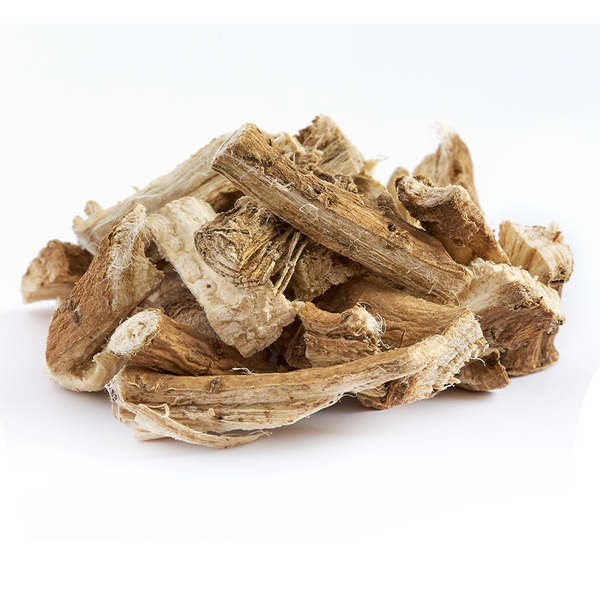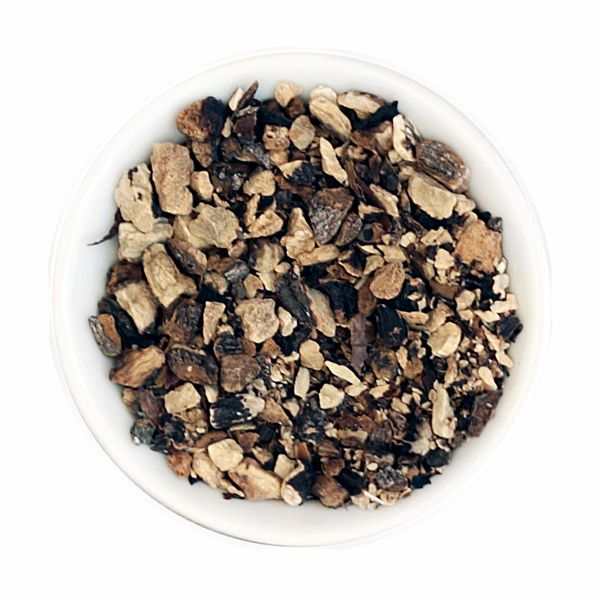
Symphytum officinale

Comfrey Root

Plant Family: Boraginaceae

$8.49

Comfrey Root is distinguished by its rich content of plant metabolites, including allantoin and rosmarinic acid, which are key to its traditional use in herbal medicine. Predominantly utilized in topical applications,...

Size
Free Shipping $75+
Certified Organic
Lab Documented

About

Harness the Benefits of Comfrey Root

Comfrey Root is distinguished by its rich content of plant metabolites, including allantoin and rosmarinic acid, which are key to its traditional use in herbal medicine.

Predominantly utilized in topical applications, Comfrey Root supports the skin's natural healing processes and provides relief for occasional aches and pains. Its therapeutic properties make it a valued component in creating salves, ointments, and poultices aimed at enhancing skin health and comfort.

More About Comfrey Root

Symphytum officinale, commonly known as Comfrey Root, originates from Europe and has been naturalized in many parts of the world. This perennial herb features broad, hairy leaves and bell-shaped flowers, predominantly purple or white. Thriving in moist, fertile soil, Comfrey is cultivated with respect to its natural growth conditions, ensuring the sustainability and potency of the root.

Comfrey Root is highly regarded in herbal medicine for its use in external applications, offering support for the skin’s natural healing processes and providing relief from occasional aches and pains. While it’s not used in culinary practices due to its specific properties, Comfrey has found its place in creating salves, ointments, and topical preparations, honoring its traditional applications without overstating its benefits.

In folk traditions, Comfrey Root is associated with protection and healing. It is used in spiritual practices for its supposed ability to safeguard one’s home and to promote healing, symbolizing a deep connection with the earth’s nurturing power. This spiritual aspect complements its physical applications, making Comfrey a revered herb in holistic practices.

Botanical Profile

Latin Name Symphytum officinale
Plant Family Boraginaceae
Part Used Root
Active Compounds Allantoin, mucilage, rosmarinic acid, pyrrolizidine alkaloids
Metabolite Class Mucilage, phenolic acids, alkaloids, allantoin
Flavor Profile Earthy, starchy, mildly bitter
Origin United States
Applications Topical preparations, compresses, rinses, external botanical formulations
Certification Organic available, non-GMO

Plant Metabolites

Allantoin

Heterocyclic compound

A plant-associated compound commonly used in topical care contexts for skin-conditioning support.

Rosmarinic acid

Polyphenol

A polyphenol found in many herbs and valued for antioxidant and plant-supportive properties.

Pyrrolizidine alkaloids

Alkaloids

Naturally occurring alkaloids that are important to note for safety and product use decisions.

Popular Uses

🌿

Traditionally used in external botanical preparations such as salves ointments and poultices

Recipes

No recipes available for this product.

Drug Interactions

External Use Only

Modern herbal practice largely limits comfrey root to external use only, and even then, used thoughtfully and short-term.

Internal Use

Avoid

Comfrey contains pyrrolizidine alkaloids and is generally not recommended for internal use unless specifically processed and professionally directed.

Pregnancy & Breastfeeding

Avoid

Not recommended during pregnancy or breastfeeding without qualified professional guidance.

Related Articles

No articles available for this product.

⚠️

FDA Disclaimer: These statements have not been evaluated by the Food and Drug Administration. This product is not intended to diagnose, treat, cure, or prevent any disease. Please consult with a healthcare professional before use, especially if you are pregnant, nursing, taking medications, or have any medical conditions.
Pairs Well With Comfrey Root