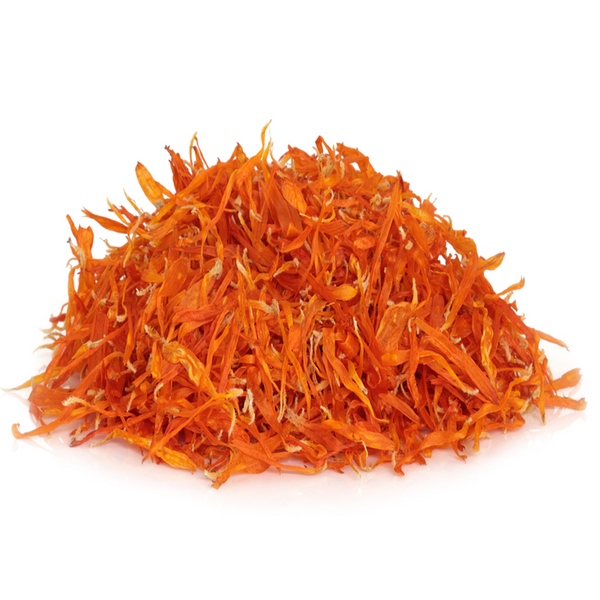
Leonotis leonurus

Wild Dagga

Plant Family: Lamiaceae

$12.99
(1 review)

Wild Dagga: Powerful Herb & Common Adjunct  Wild Dagga, or Leonotis leonurus, often referred to as "wild cannabis", is a plant steeped in traditional South African medicinal practices, and now...

Size
Free Shipping $75+
Certified Organic
Lab Documented

About

Wild Dagga: Powerful Herb & Common Adjunct 

Wild Dagga, or Leonotis leonurus, often referred to as "wild cannabis", is a plant steeped in traditional South African medicinal practices, and now gaining attention in apothecaries and herb shops globally. It's known for mood-enhancing properties, and it's thought to have calming effects on the body and mind.

Wild Dagga is used in traditional medicine to support a healthy cardiovascular system and support a healthy immune system. It's explored for its potential in natural stress relief and as an adjunct to other herbs, enhancing their effects.

Wild Dagga's popularity in herbal blends and teas is growing, especially among those seeking natural alternatives for relaxation and mood improvement.

More about Wild Dagga 

Recognized for its earthy and slightly pungent flavor, Wild Dagga is primarily known for its traditional use in treating a variety of conditions such as those related to skin health and occasional aches and pains. The plant contains compounds like marrubiin and labdane diterpenes. Popular literature citing the presence of the mildly psychoactive alkaloid, leonurine, although its existence in the plant is not scientifically confirmed.*

Originating from South Africa, Wild Dagga has been traditionally used in various forms, including decoctions and smoking. Its dried leaves and flowers are smoked to relieve epilepsy and produce a mild euphoric effect, drawing parallels to the effects of cannabis but with lesser potency.

About Leonurine:

The presence of the alkaloid leonurine in Wild Dagga is a matter of some debate. While it has been reported in popular literature to be present in the plant, scientific analysis has not confirmed its existence in extracts of L. leonurus. The major compounds identified in Wild Dagga are mainly terpenoids, particularly labdane diterpenes, with marrubiin being the most prominent.

Despite various claims, there is no scientific evidence to date to confirm the presence of leonurine in Wild Dagga (Nsuala, Enslin, & Viljoen, 2015).

Botanical Profile

Latin Name Leonotis leonurus
Plant Family Lamiaceae
Part Used Leaf and flower
Active Compounds Flavonoids, volatile oils, tannins, phenolic compounds
Metabolite Class Flavonoids, volatile oils, tannins, phenolic compounds
Flavor Profile Herbaceous, mildly bitter, aromatic
Origin South Africa
Applications Tea, herbal infusions, tinctures, sachets, smoking blends, topical botanical preparations
Certification Organic available, non-GMO

Plant Metabolites

Flavonoids

Polyphenols

Plant polyphenols commonly valued for antioxidant activity and general botanical support.

volatile oils

Aromatic compounds

Volatile oils are aromatic compounds in plants that readily evaporate, giving herbs their characteristic scent and flavor.

tannins

Polyphenols

Tannins are astringent polyphenols that contribute structure, bitterness, and plant defense chemistry.

Popular Uses

🌿

Traditionally used in herbal preparations for relaxation evening rituals and botanical support

Recipes

No recipes available for this product.

Drug Interactions

Sedative Medications

Moderate

May add to the effects of sedative medications or other calming herbs and supplements.

Pregnancy & Breastfeeding

Avoid

Avoid during pregnancy or breastfeeding unless professionally directed.

Related Articles

No articles available for this product.

⚠️

FDA Disclaimer: These statements have not been evaluated by the Food and Drug Administration. This product is not intended to diagnose, treat, cure, or prevent any disease. Please consult with a healthcare professional before use, especially if you are pregnant, nursing, taking medications, or have any medical conditions.
Pairs Well With Wild Dagga